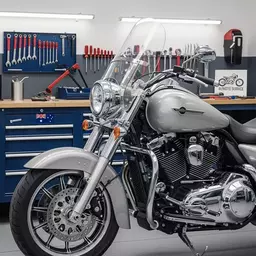
Moving a motorcycle across state lines is not the same as moving general freight. A bike is exposed, balanced on two wheels, sensitive to tie-down pressure, and often fitted with custom parts, fairings, electronics, aftermarket exhausts, race components, or suspension setups that need proper care.
For serious riders, race bike owners, weekend riders, and collectors, the goal is simple: get the bike from one state to another without damage, delay, or unnecessary stress. Whether you are relocating, buying a motorcycle from interstate, sending a track bike to an event, or transporting a bike after a sale, professional interstate motorcycle transport is often the smarter option.
Self-hauling can look cheaper at first, but once you factor in trailer hire, fuel, accommodation, time off work, loading equipment, insurance risk, and potential damage, professional transport starts to make a lot more sense.
Most riders are protective of their bikes, and rightly so. A motorcycle is not just transport. It is a machine you maintain, tune, upgrade, clean, and trust at speed. That is especially true for race bikes and performance motorcycles, where small details matter.
Professional motorcycle freight services in Australia are designed around the specific needs of bikes. Instead of treating the motorcycle like a box or pallet, specialist transport providers understand loading angles, secure tie-down points, wheel chocks, fairing clearance, handlebar position, and safe movement during long-distance travel.
Riders are choosing professional transport because it reduces hassle. You do not need to borrow or hire a trailer, drive for hours across highways, manage weather exposure, or work out how to secure the bike safely for a long trip. For interstate purchases, it also means the seller can hand the bike over, and the buyer can receive it without either party organising a road trip.
For race bike owners, the convenience is even greater. Transporting a bike interstate allows you to focus on preparation, parts, tyres, setup, and event logistics instead of towing stress.
Towing your own motorcycle is possible, but it carries risks that many riders underestimate. A bike that seems secure at the start of the trip can shift after hours of vibration, braking, cornering, and rough road surfaces.
Common DIY towing problems include over-tightened straps compressing forks for too long, poor tie-down angles, loose rear-end movement, handlebar damage, fairing rub, scratched paint, bent levers, cracked indicators, and trailer instability. Open trailers also expose bikes to rain, road grime, stones, dust, and heat.
Long interstate drives add another layer of risk. Fatigue, weather, unfamiliar roads, and heavy vehicles can all make towing more demanding. If the trailer has poor suspension, weak wheel bearings, old tyres, or inadequate ramps, the bike can be exposed to unnecessary stress before it even reaches its destination.
There is also the issue of insurance. If damage occurs while you are towing the bike yourself, you may find the claim process more complicated than expected. With a professional transport provider, the scope, responsibility, and coverage should be clearer before the bike leaves.
A professional interstate bike shipping service should provide a clear process from booking through to delivery. The first step is usually a quote based on pickup location, delivery location, motorcycle type, whether the bike is running or non-running, and whether you need depot-to-depot or door-to-door motorcycle transport.
Riders in Victoria looking for reliable interstate motorcycle transport should prioritise providers who specialise exclusively in motorcycles rather than general freight carriers.
Once booked, the provider should confirm pickup instructions, access requirements, delivery details, estimated timeframe, and preparation requirements. You may be asked to remove loose accessories, check for fluid leaks, disable alarms, provide keys if needed, and take photos of the bike before pickup.
A motorcycle-focused transporter should understand different bike types, including sports bikes, cruisers, tourers, dirt bikes, naked bikes, scooters, project bikes, and race bikes. A race-prepped machine with low fairings, slick tyres, warmers, stands, spare wheels, and delicate bodywork should not be treated the same way as standard boxed freight.
Good communication matters. You should know where the bike is going, who is handling it, what level of insurance applies, and what to expect at delivery.
Securing a motorcycle correctly is one of the biggest reasons to use a specialist transporter. Long-distance transport requires more than throwing a couple of straps over the handlebars and hoping for the best.
Professional transporters commonly use purpose-built systems such as wheel chocks, soft straps, frame-safe tie-down points, enclosed trailers, hydraulic lifts, bike-specific racks, or dedicated motorcycle cradles. The exact setup depends on the provider, but the principle is the same: keep the motorcycle upright, stable, and protected without placing damaging stress on sensitive parts.
Good transport avoids common mistakes such as strapping over bodywork, crushing brake lines, pulling against fragile clip-ons, compressing suspension excessively, or allowing bikes to move side-to-side during transit.
For faired sports bikes, clearance is important. Lower fairings, belly pans, rearsets, race glass, and exhaust systems can be vulnerable during loading. For adventure bikes or cruisers, weight distribution becomes a major consideration. For dirt bikes and track bikes, loose parts, stands, and spares need to be accounted for.
Before transport, riders should photograph the bike from multiple angles, remove loose items, secure accessories, and check tyre pressure. If the bike has custom paint, carbon fibre, aftermarket levers, expensive rearsets, or race bodywork, tell the transporter before pickup.
Race bikes need extra care because they are often modified, lower than standard, fitted with lightweight components, and prepared for specific performance conditions. Unlike road bikes, they may not have mirrors, indicators, side stands, road tyres, registration plates, or standard lighting.
If you are sending a race bike interstate for a track day, race meet, dyno work, buyer inspection, or workshop build, preparation matters. Make sure the transporter knows whether the bike rolls freely, starts, has a side stand, requires a paddock stand, or needs special loading clearance.
It is also worth thinking about what travels with the bike. Spare wheels, tyre warmers, stands, bodywork, tools, fuel containers, and race spares may not automatically be included. Confirm in advance whether the carrier can transport extras and how they need to be packed.
Before shipping, a pre-transport inspection is a smart move. A race-focused workshop can check for loose fasteners, leaks, chain condition, tyre condition, brake lever security, fairing mounts, battery condition, and anything that may become a problem during transport.
This is where an internal link on racebikeservices.com.au could naturally point to relevant pages such as motorcycle servicing, race bike preparation, or pre-transport inspection services. A quick check before the bike leaves can prevent a small issue from becoming a major headache when it arrives interstate.
To get an accurate quote to transport a motorcycle interstate Australia-wide, provide complete details from the start. The more specific you are, the fewer surprises there will be.
A transport company will usually need:
Pickup suburb and delivery suburb
Whether pickup and delivery are residential, commercial, or depot-based
Motorcycle make, model, and year
Whether the bike runs and rolls
Whether it has a side stand
Whether it is road registered or a race bike
Any low fairings, custom parts, or special loading needs
Whether spare parts or accessories are included
Preferred timeframe
Whether you need door-to-door motorcycle transport
Photos can also help, especially for race bikes, project bikes, vintage motorcycles, and modified machines.
Be wary of quotes that are vague or unusually cheap. A proper quote should explain what is included, what insurance applies, whether the service is enclosed or open, how the bike is secured, and whether there are extra costs for non-running bikes, difficult access, or additional items.
For serious riders, a motorcycle is more than something to move from one address to another. It is an investment in performance, freedom, engineering, and personal enjoyment. That investment deserves proper handling.
Professional interstate motorcycle transport reduces the risks of DIY towing, saves time, and gives riders a safer way to move road bikes, race bikes, project bikes, and newly purchased motorcycles across Australia.
Before shipping, book a pre-transport service check, photograph the bike, remove loose accessories, confirm insurance, and choose a provider that understands motorcycles. Whether you are relocating, buying interstate, or heading toward your next event, the right transport setup helps your bike arrive ready for the next ride.